
Product Description
Chrome conveyor shaft
Product Description
| Product Name | Chrome conveyor shaft |
| Design | Can be at the customer’ request, tailor-made, at customer’s design |
| Advantage | ZJD can provide the chrome conveyor shaft according to customers technical specifications |
Our Advantages
Application
Product Display
Company Profile
ZJD is located in Xihu (West Lake) Dis. Economic Development Zone, Xihu (West Lake) Dis. District, HangZhou, ZheJiang , which has very good transportation convenience and location advantages.ZJD own 1 subsidiary, which is located in HangZhou city, ZheJiang province, which is mainly responsible for EMU accessories for CRRC’s factory nearby.
ZJD’s production and office space is more than 12,000 square meters, and more than 60 sets of various types of CNC machining and quality control equipment.ZJD’s main products are widely used in CHINAMFG CR400, CR300, CR200 series standard EMUs, and expanded to subways, export passenger cars and EMUs and other products.
ZJD has more than 60 employees and more than 20 technical management personnel. The technical management team has many years of working experience in the rail transit industry.
Certifications
ZJD has obtained the national high-tech enterprise certification, 6 types of products have passed the high-tech certification, and related products have obtained more than 20 patents.
ZJD has established a comprehensive quality management system and has got ISO9001 quality management system certification, ISO/TS 22163 (IRIS) international railway industry standard certification, EN15085-2 railway vehicles welding system certification, and CHINAMFG product supply service qualification certification.
FAQ
1. Who are we?
HangZhou ZJD Rail Equipment Co.,Ltd. was established in 2012, which is a professional manufacturer of rail equipment and accessories.
2. Are you a reliable supplier?
ZJD-Excellent Manufacturer focusing on the rolling stock industry
Provide full-process Design, Production, Testing and Service according to customer requirements.
3.What can you buy from us?
We have designed and supplied a series of products such an air duct systems, piping systerms, pneumatic control units,etc.The product are used in various fields such an EMUs,subways,locomotives,wagon engineering vehicles,etc.
4. What services can we provide?
Provide customized services of heavy industry products for special requirements.
Provide diversified parts and trade services such as port machinery, steel heavy industry, mining machinery, etc.
Provide customized products for new energy equipment
Provide key process technology solutions for special parts in the field of new energy equipment.
| Material: | Chrome |
|---|---|
| Load: | Drive Shaft |
| Stiffness & Flexibility: | Flexible Shaft |
| Axis Shape: | Crankshaft |
| Shaft Shape: | Real Axis |
| Appearance Shape: | Round |
| Customization: |
Available
| Customized Request |
|---|
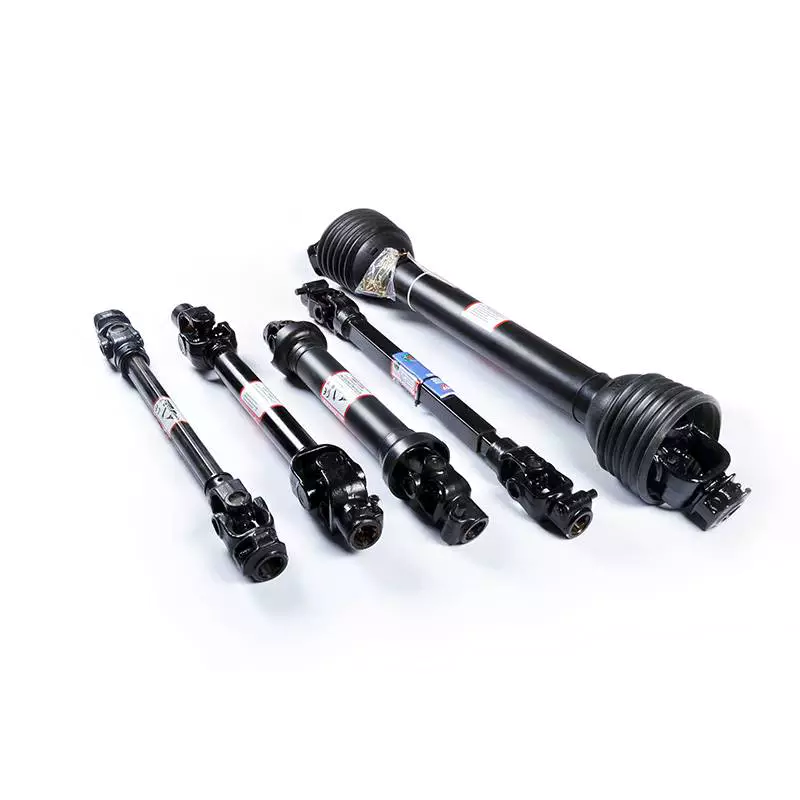
Are there any emerging trends in tractor PTO shaft technology, such as advanced materials?
Tractor power take-off (PTO) shaft technology has been evolving to meet the changing needs of modern agriculture. While the fundamental design and function of PTO shafts have remained relatively consistent, there are indeed emerging trends, including the incorporation of advanced materials. Here are some notable trends in tractor PTO shaft technology:
1. Advanced Materials: One of the significant trends in PTO shaft technology is the use of advanced materials to improve performance, durability, and safety. Traditional PTO shafts are typically made of steel, but manufacturers are exploring alternatives such as composite materials and high-strength alloys. These advanced materials offer advantages like reduced weight, increased strength-to-weight ratio, and resistance to corrosion and fatigue. By utilizing advanced materials, PTO shafts can become more efficient, reliable, and longer-lasting.
2. Telescopic PTO Shafts: Telescopic PTO shafts are gaining popularity in the agricultural industry. These shafts are designed with multiple nested sections that can extend or retract, allowing for adjustable lengths. Telescopic PTO shafts offer flexibility in adapting to different tractor-implement configurations and working conditions. They can accommodate variations in hitch heights, implement widths, and PTO shaft angles, providing ease of use and improved efficiency.
3. Shear Bolt Protection: Shear bolt protection is a safety feature that has become more prevalent in modern PTO shafts. In the event of a sudden overload or blockage in the implement, shear bolts are designed to break and disconnect the PTO shaft from the tractor. This helps prevent damage to the implement, tractor, and operator. Shear bolt protection systems are being further refined and integrated into PTO shaft designs to enhance safety and minimize downtime for repairs.
4. PTO Slip Clutches: Slip clutches are mechanisms incorporated into PTO shafts to provide overload protection. They allow a controlled amount of slippage between the tractor and implement when excessive torque or resistance is encountered. PTO slip clutches help protect both the tractor and the implement from damage by absorbing and dissipating the excess energy. They are becoming more advanced, featuring improved adjustability, reliability, and ease of maintenance.
5. PTO Shaft Covers and Guards: Safety is a critical consideration in tractor PTO shaft technology. Manufacturers are focusing on developing improved PTO shaft covers and guards to enhance operator safety. These protective devices help prevent accidental contact with rotating components and provide a physical barrier between the operator and the PTO shaft. The design and materials of PTO shaft covers and guards are being optimized to ensure effective protection without compromising accessibility and ease of maintenance.
6. Electronic Monitoring and Control: With the advancement of technology, electronic monitoring and control systems are being integrated into tractor PTO shafts. These systems provide real-time feedback on PTO speed, torque, and other relevant parameters. Operators can monitor and adjust PTO performance using digital displays or interfaces, allowing for precise control and optimization of power transfer. Electronic monitoring systems also contribute to diagnostics, maintenance scheduling, and overall operational efficiency.
These emerging trends in tractor PTO shaft technology, such as the use of advanced materials, telescopic designs, shear bolt protection, slip clutches, improved safety features, and electronic monitoring, reflect the ongoing efforts to enhance performance, efficiency, and safety in agricultural operations.
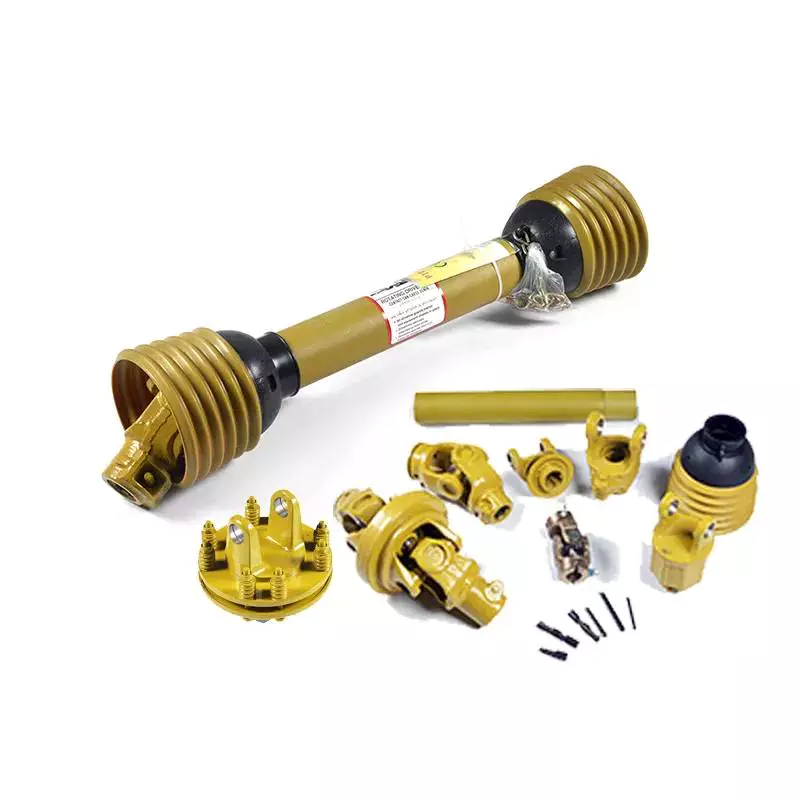
What maintenance practices are essential for prolonging the lifespan of tractor PTO shafts?
Proper maintenance is essential for prolonging the lifespan and ensuring the reliable performance of tractor PTO shafts. By following these maintenance practices, you can maximize the durability and functionality of your PTO shaft:
- Regular Lubrication: Lubrication is crucial for reducing friction and wear in PTO shafts. Follow the manufacturer’s recommendations for the type of lubricant and the frequency of lubrication. Apply lubrication to the PTO shaft’s moving components, such as universal joints and splines. Regular lubrication helps prevent corrosion, reduces heat generation, and ensures smooth operation.
- Inspection and Cleaning: Regularly inspect the PTO shaft for any signs of damage, wear, or misalignment. Look for worn-out or damaged components, loose connections, or bent shafts. Clean the PTO shaft to remove dirt, debris, and any buildup that may affect its performance. Use a soft brush or cloth to clean the shaft thoroughly.
- Check Safety Shields and Guards: Inspect the safety shields and guards that cover the rotating components of the PTO shaft. Ensure they are securely in place and free from any cracks, breaks, or missing parts. Damaged or missing shields should be replaced immediately to maintain operator safety.
- Verify Torque-Limiting Devices: If your PTO shaft incorporates torque-limiting devices such as shear pins or slip clutches, regularly check their functionality. Inspect shear pins for signs of damage or wear and replace them as needed. Test slip clutches to ensure they engage and disengage properly. These devices are crucial for protecting the PTO shaft and equipment from excessive torque, so they should be in good working condition.
- Inspect Universal Joints: Universal joints are critical components in PTO shafts. Inspect them for any signs of wear, such as loose or worn-out bearings, excessive play, or rust. Replace any damaged or worn universal joints promptly to prevent further damage to the PTO shaft.
- Ensure Proper Alignment: Misalignment can lead to vibration, increased wear, and reduced power transmission efficiency. Check the alignment between the tractor’s PTO output shaft and the implement’s input shaft. Ensure that the PTO shaft is properly aligned and engaged. Adjust the length or position of the PTO shaft if necessary to maintain proper alignment.
- Follow Manufacturer’s Recommendations: Always refer to the manufacturer’s guidelines for specific maintenance instructions and intervals. They provide valuable information on lubrication, inspection, adjustment, and replacement procedures specific to your PTO shaft model. Adhering to these recommendations helps ensure that you are following the best practices for maintaining your tractor PTO shaft.
By implementing these maintenance practices, you can significantly prolong the lifespan of your tractor PTO shaft. Regular lubrication, inspection, cleaning, checking safety shields and guards, verifying torque-limiting devices, inspecting universal joints, ensuring proper alignment, and following manufacturer’s recommendations are all vital steps in keeping your PTO shaft in optimal condition and maximizing its longevity.
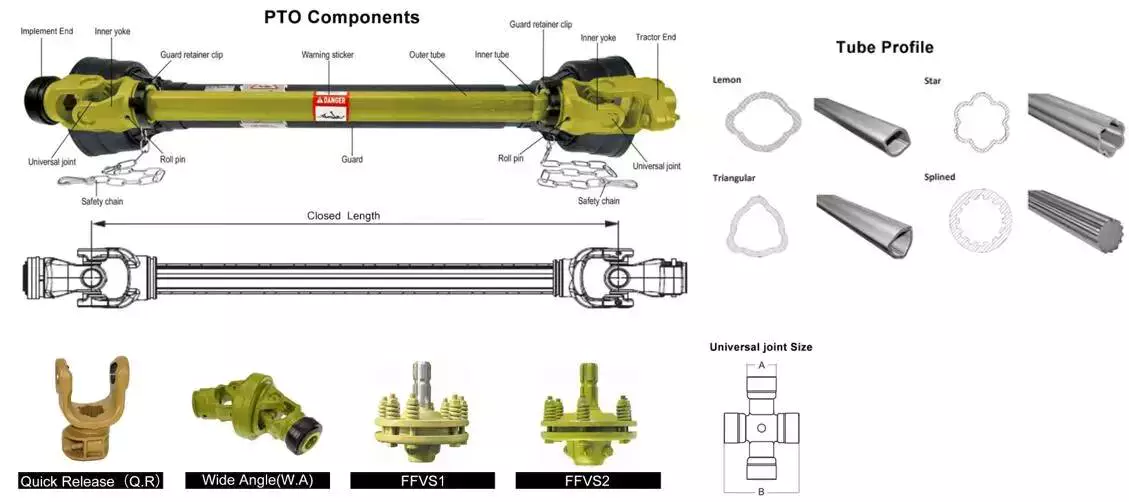
How do tractor PTO shafts handle variations in torque, speed, and alignment?
Tractor PTO shafts are designed to handle variations in torque, speed, and alignment between the tractor and the implement. These shafts are crucial components in the Power Take-Off system, which transfers power from the tractor’s engine to the implement. Here’s how PTO shafts handle these variations:
- Variations in Torque: Torque refers to the rotational force applied to the PTO shaft. Tractor PTO shafts are designed to withstand different torque levels based on the power requirements of the implement. They are constructed using materials such as steel or composite materials that offer high strength and durability. Additionally, PTO shafts may incorporate torque-limiting devices such as shear pins or slip clutches. These devices allow the PTO shaft to disconnect or slip when the torque exceeds a certain threshold, protecting both the tractor and the implement from damage.
- Variations in Speed: Speed variations occur when the rotational speed of the tractor’s engine and the implement’s input shaft are different. PTO shafts can handle these variations through the use of universal joints. Universal joints allow for angular misalignment between the tractor and the implement and can accommodate different rotational speeds. The design of PTO shafts ensures smooth power transmission even when the tractor’s engine operates at a different speed than the implement requires.
- Variations in Alignment: Alignment refers to the precise positioning of the PTO shaft between the tractor and the implement. Tractor PTO shafts are designed to be adjustable in length, allowing for variations in the distance and alignment between the tractor’s PTO output shaft and the input shaft of the implement. This adjustability helps ensure proper alignment and engagement of the PTO shaft between the tractor and the implement. PTO shafts may also incorporate telescopic sections or splined ends to provide flexibility and accommodate differences in alignment.
Overall, tractor PTO shafts are engineered to handle variations in torque, speed, and alignment. They incorporate robust construction materials, torque-limiting devices, universal joints, and adjustable features to ensure efficient and reliable power transmission between the tractor and the implement. These design elements contribute to the safe and effective operation of agricultural and industrial equipment powered by PTO systems.


editor by CX 2023-12-07